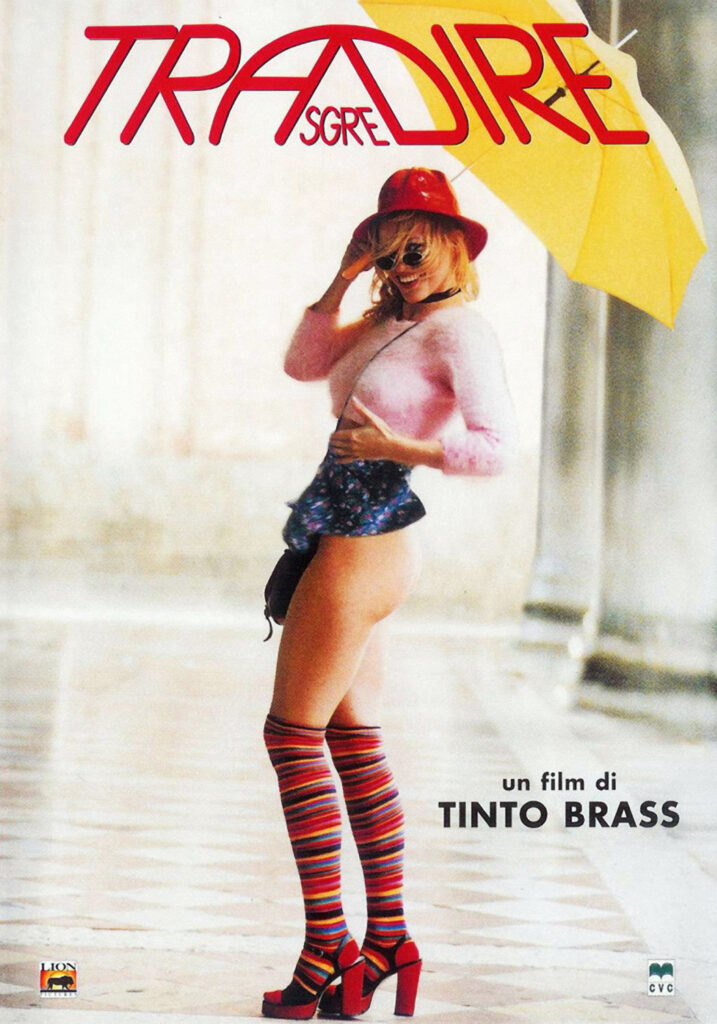



Monamour (2006) is an Italian erotic drama film directed by the legendary filmmaker Tinto Brass, known worldwide for his provocative storytelling and artistic portrayal of human desire. Released in 2006, Monamour explores themes of love, infidelity, emotional emptiness, and sexual freedom, presented through Brass’s signature visual style. The film continues to attract global attention for its bold narrative and sensual aesthetics.
Movie Overview
Title
Monamour
Release Year
2006
Director
Tinto Brass
Runtime
Approx. 98 Minutes
Language
Italian
Genre
Erotic Drama, Romance
Country
Italy
Age Rating
A rated
| Title | Monamour |
|---|---|
| Release Year | 2006 |
| Director | Tinto Brass |
| Runtime | Approx. 98 Minutes |
| Language | Italian |
| Genre | Erotic Drama, Romance |
| Country | Italy |
| Age Rating | A rated |
Movie Cast
Actor
Role
Anna Jimskaia
Marta
Nela Lucic
Marta’s Friend
Riccardo Marino
Leon
Max Parodi
Dario
| Actor | Role |
|---|---|
| Anna Jimskaia | Marta |
| Nela Lucic | Marta’s Friend |
| Riccardo Marino | Leon |
| Max Parodi | Dario |
Storyline
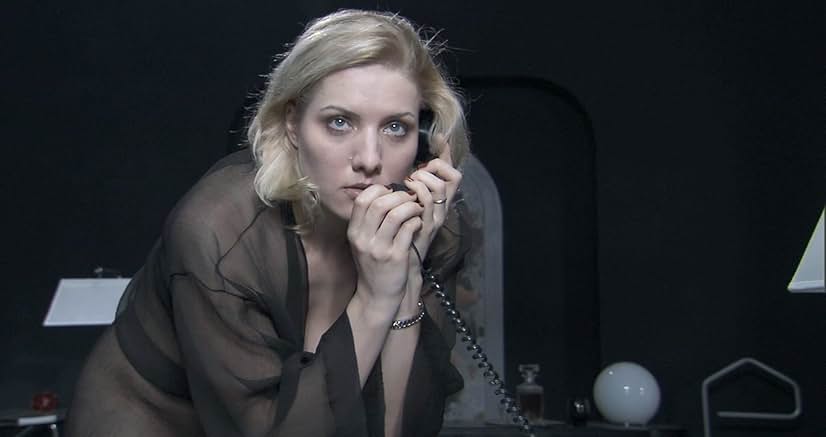
Monamour (2006) is an Italian erotic drama directed by Tinto Brass that explores emotional emptiness, desire, and self-discovery within a failing marriage. The film centers on Marta, a young woman married to Dario, a wealthy publisher who is emotionally distant and physically indifferent toward her needs.
Despite material comfort, Marta feels isolated and unloved, trapped in a relationship lacking intimacy and communication. Her life begins to change when she meets Leon, a man who offers attention, warmth, and emotional connection—everything missing from her marriage. Through Leon, Marta slowly reconnects with her suppressed desires and begins questioning the boundaries imposed by society and tradition.
As Marta’s emotional and physical awakening deepens, she faces an inner conflict between loyalty and fulfillment. The film portrays her journey not as reckless rebellion, but as a search for identity and genuine connection. Desire becomes a language through which Marta understands herself and her unmet emotional needs.
Rather than focusing on conventional drama, Monamour unfolds as an intimate and reflective narrative. Using sensual imagery, silence, and subtle expressions, the film examines whether love can survive without emotional honesty—and whether personal freedom comes with unavoidable consequences.
Movie Summary & Key Moments
Key Moment
Description
A Marriage Without Intimacy
Marta lives a comfortable yet emotionally distant life with her husband Dario. Despite wealth and social status, their marriage lacks communication, affection, and emotional warmth, leaving Marta feeling isolated and unseen.
The Museum Encounter
During a quiet visit to a museum, Marta meets Leon, a confident and enigmatic stranger. Their brief interaction creates an intense emotional spark, awakening desires Marta has long suppressed and marking the beginning of her inner transformation.
Growing Emotional Attachment
Marta and Leon cross paths again at a social gathering, where their connection deepens. Marta begins to feel genuinely desired and emotionally understood, something she no longer experiences in her marriage.
The Diary Revelation
Marta documents her emotional journey in a personal diary. When Dario discovers it, the truth about her affair comes to light, leading to confrontation, anger, and the collapse of the emotional barriers holding their marriage together.
Public Defiance
Marta openly embraces her relationship with Leon, rejecting social judgment and marital restraint. Her actions symbolize personal rebellion and a desire to reclaim control over her own identity and happiness.
A Complicated Resolution
In the aftermath of betrayal and confrontation, Marta’s choices force both her and Dario to confront their unresolved desires. The film concludes on an ambiguous note, suggesting that emotional honesty—however painful—can redefine relationships in unexpected ways.
| Key Moment | Description |
|---|---|
| A Marriage Without Intimacy | Marta lives a comfortable yet emotionally distant life with her husband Dario. Despite wealth and social status, their marriage lacks communication, affection, and emotional warmth, leaving Marta feeling isolated and unseen. |
| The Museum Encounter | During a quiet visit to a museum, Marta meets Leon, a confident and enigmatic stranger. Their brief interaction creates an intense emotional spark, awakening desires Marta has long suppressed and marking the beginning of her inner transformation. |
| Growing Emotional Attachment | Marta and Leon cross paths again at a social gathering, where their connection deepens. Marta begins to feel genuinely desired and emotionally understood, something she no longer experiences in her marriage. |
| The Diary Revelation | Marta documents her emotional journey in a personal diary. When Dario discovers it, the truth about her affair comes to light, leading to confrontation, anger, and the collapse of the emotional barriers holding their marriage together. |
| Public Defiance | Marta openly embraces her relationship with Leon, rejecting social judgment and marital restraint. Her actions symbolize personal rebellion and a desire to reclaim control over her own identity and happiness. |
| A Complicated Resolution | In the aftermath of betrayal and confrontation, Marta’s choices force both her and Dario to confront their unresolved desires. The film concludes on an ambiguous note, suggesting that emotional honesty—however painful—can redefine relationships in unexpected ways. |
IMDB Rating - 5.2/10
Where To Watch
Coming Soon
Streaming platform information will be updated once available
Note: The movie is not yet available for streaming. Availability will be updated once it is released on digital platforms.
Facts & Trivia
- Title: Monamour (2006) is an Italian erotic drama film.
- Director: The movie was directed by Tinto Brass, a renowned filmmaker known for blending sensuality with artistic storytelling.
- Lead Actress: Anna Jimskaia plays the central role of Marta, delivering a performance focused on emotional vulnerability and self-discovery.
- Genre: The film falls under Erotic Drama and Romance, emphasizing psychological intimacy over traditional plot-driven storytelling.
- Language: Monamour is primarily in Italian, reflecting its European art-house roots.
- Core Themes: The film explores marital dissatisfaction, emotional neglect, desire, personal freedom, and female self-awareness.
- Narrative Style: Rather than dramatic twists, the story unfolds slowly through emotions, visual symbolism, and internal conflict.
- Cinematography: Known for soft lighting, close framing, mirrors, and intimate compositions—hallmarks of Tinto Brass’s visual style.
- Diary Motif: Marta’s personal diary plays a crucial role in revealing her inner thoughts and driving the emotional conflict of the film.
- Music: The subtle background score supports the sensual and introspective tone without overpowering the narrative.
- Audience Reception: The film received mixed reactions—praised by fans of European erotic cinema while criticized by conservative audiences.
- Age Rating: Due to mature themes, Monamour is intended strictly for adult viewers.
- Legacy: Over time, the film has gained cult status among viewers interested in artistic erotic dramas with emotional depth.
- Trivia: Monamour is often cited as one of Tinto Brass’s more emotionally driven works rather than a purely provocative film.
- Title: Monamour (2006) is an Italian erotic drama film.
- Director: The movie was directed by Tinto Brass, a renowned filmmaker known for blending sensuality with artistic storytelling.
- Lead Actress: Anna Jimskaia plays the central role of Marta, delivering a performance focused on emotional vulnerability and self-discovery.
- Genre: The film falls under Erotic Drama and Romance, emphasizing psychological intimacy over traditional plot-driven storytelling.
- Language: Monamour is primarily in Italian, reflecting its European art-house roots.
- Core Themes: The film explores marital dissatisfaction, emotional neglect, desire, personal freedom, and female self-awareness.
- Narrative Style: Rather than dramatic twists, the story unfolds slowly through emotions, visual symbolism, and internal conflict.
- Cinematography: Known for soft lighting, close framing, mirrors, and intimate compositions—hallmarks of Tinto Brass’s visual style.
- Diary Motif: Marta’s personal diary plays a crucial role in revealing her inner thoughts and driving the emotional conflict of the film.
- Music: The subtle background score supports the sensual and introspective tone without overpowering the narrative.
- Audience Reception: The film received mixed reactions—praised by fans of European erotic cinema while criticized by conservative audiences.
- Age Rating: Due to mature themes, Monamour is intended strictly for adult viewers.
- Legacy: Over time, the film has gained cult status among viewers interested in artistic erotic dramas with emotional depth.
- Trivia: Monamour is often cited as one of Tinto Brass’s more emotionally driven works rather than a purely provocative film.
FAQs About Monamour (2006)
1. What is Monamour (2006) about?
Monamour (2006) is an Italian erotic drama directed by Tinto Brass. The film follows Marta, a woman trapped in an emotionally distant marriage, who begins a passionate affair that leads her to question love, loyalty, and personal freedom.
2. Who directed Monamour?
The movie was directed by Tinto Brass, a celebrated Italian filmmaker known for his distinctive visual style and exploration of intimacy, desire, and human relationships.
3. Who are the main actors in Monamour?
The film stars Anna Jimskaia as Marta, Riccardo Marino as Leon, and Max Parodi as Dario. Their performances focus on emotional conflict and psychological depth.
4. Is Monamour (2006) based on a true story?
No, Monamour is a fictional story. However, it reflects real emotional struggles found in relationships, a recurring theme in European art-house cinema.
5. Is Monamour suitable for all audiences?
No. The film contains mature themes and explicit content. It is intended strictly for adult viewers (18+) and is not suitable for family viewing.
6. Where can I watch Monamour (2006)?
Availability varies by region. Monamour may be found on select digital platforms, DVD releases, or specialty streaming services that feature European art-house and adult cinema.
1. What is Monamour (2006) about?
Monamour (2006) is an Italian erotic drama directed by Tinto Brass. The film follows Marta, a woman trapped in an emotionally distant marriage, who begins a passionate affair that leads her to question love, loyalty, and personal freedom.
2. Who directed Monamour?
The movie was directed by Tinto Brass, a celebrated Italian filmmaker known for his distinctive visual style and exploration of intimacy, desire, and human relationships.
3. Who are the main actors in Monamour?
The film stars Anna Jimskaia as Marta, Riccardo Marino as Leon, and Max Parodi as Dario. Their performances focus on emotional conflict and psychological depth.
4. Is Monamour (2006) based on a true story?
No, Monamour is a fictional story. However, it reflects real emotional struggles found in relationships, a recurring theme in European art-house cinema.
5. Is Monamour suitable for all audiences?
No. The film contains mature themes and explicit content. It is intended strictly for adult viewers (18+) and is not suitable for family viewing.
6. Where can I watch Monamour (2006)?
Availability varies by region. Monamour may be found on select digital platforms, DVD releases, or specialty streaming services that feature European art-house and adult cinema.
Similar Movies Like Monamour (2006)
- The Voyeur (1994) – Another provocative Tinto Brass film that explores obsession, desire, and emotional vulnerability within relationships.
- All Ladies Do It (1992) – A sensual Italian drama focusing on a woman’s exploration of passion, trust, and personal freedom.
- Frivolous Lola (1998) – A visually stylish film that blends romance and temptation while questioning traditional ideas of love and fidelity.
- Cheeky! (2000) – A bold European romance highlighting attraction, curiosity, and the emotional complexity of modern relationships.
- 9 Songs (2004) – An intimate romantic drama that captures the raw emotional highs and lows of a passionate love affair.
- In the Realm of the Senses (1976) – A classic art-house film examining obsessive love, emotional intensity, and psychological depth.
- The Voyeur (1994) – Another provocative Tinto Brass film that explores obsession, desire, and emotional vulnerability within relationships.
- All Ladies Do It (1992) – A sensual Italian drama focusing on a woman’s exploration of passion, trust, and personal freedom.
- Frivolous Lola (1998) – A visually stylish film that blends romance and temptation while questioning traditional ideas of love and fidelity.
- Cheeky! (2000) – A bold European romance highlighting attraction, curiosity, and the emotional complexity of modern relationships.
- 9 Songs (2004) – An intimate romantic drama that captures the raw emotional highs and lows of a passionate love affair.
- In the Realm of the Senses (1976) – A classic art-house film examining obsessive love, emotional intensity, and psychological depth.